EMS 3.3.1

The following best practices should be employed whenever relocating
or processing a high-risk vehicle.
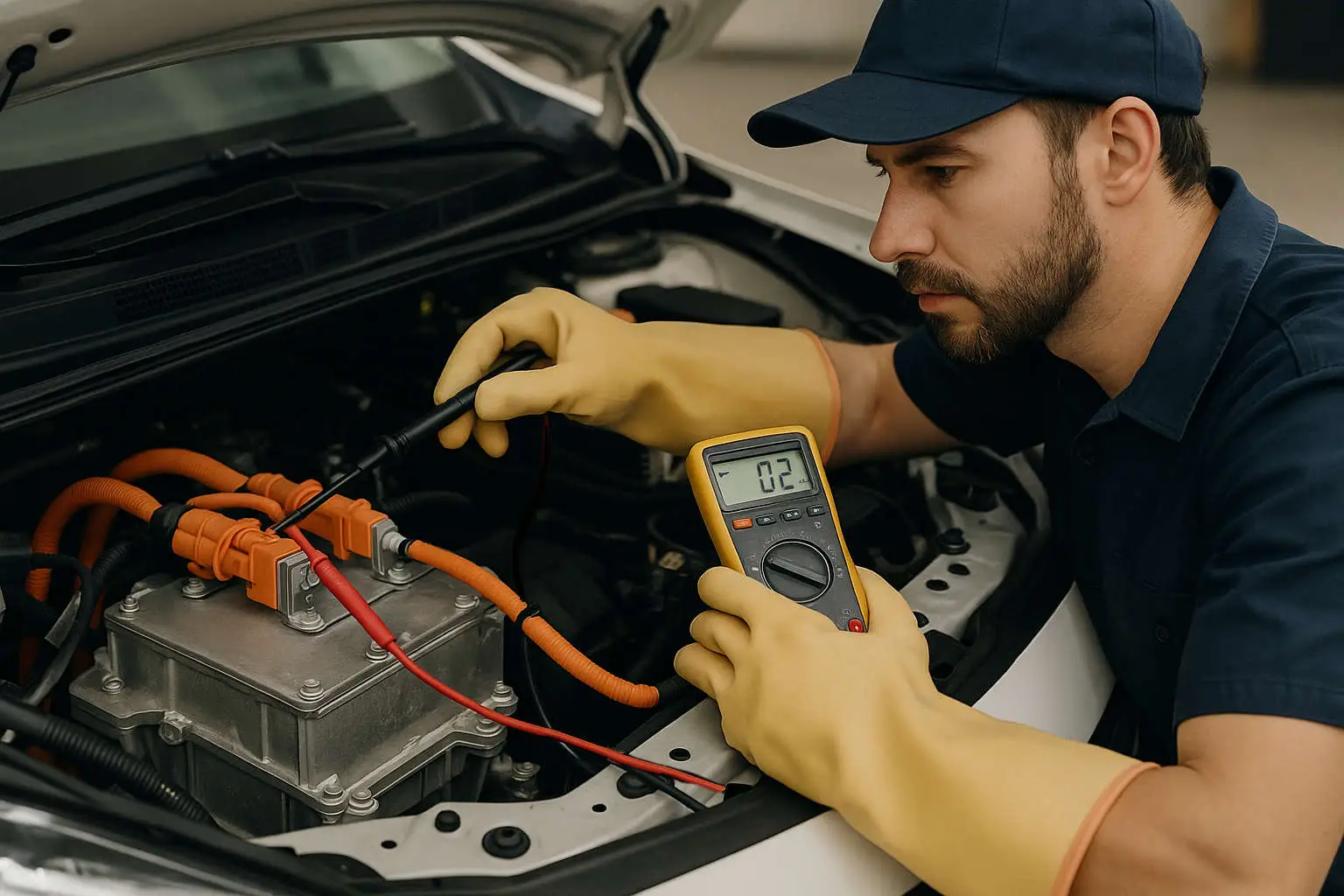
• Test the High-Voltage System: NEXT • If possible, use a multi-meter to test the HV system for residual voltage before
moving the vehicle.
• Only trained personnel should perform this test, using appropriate PPE.
The following best practices should be employed whenever relocating
or processing a high-risk vehicle.
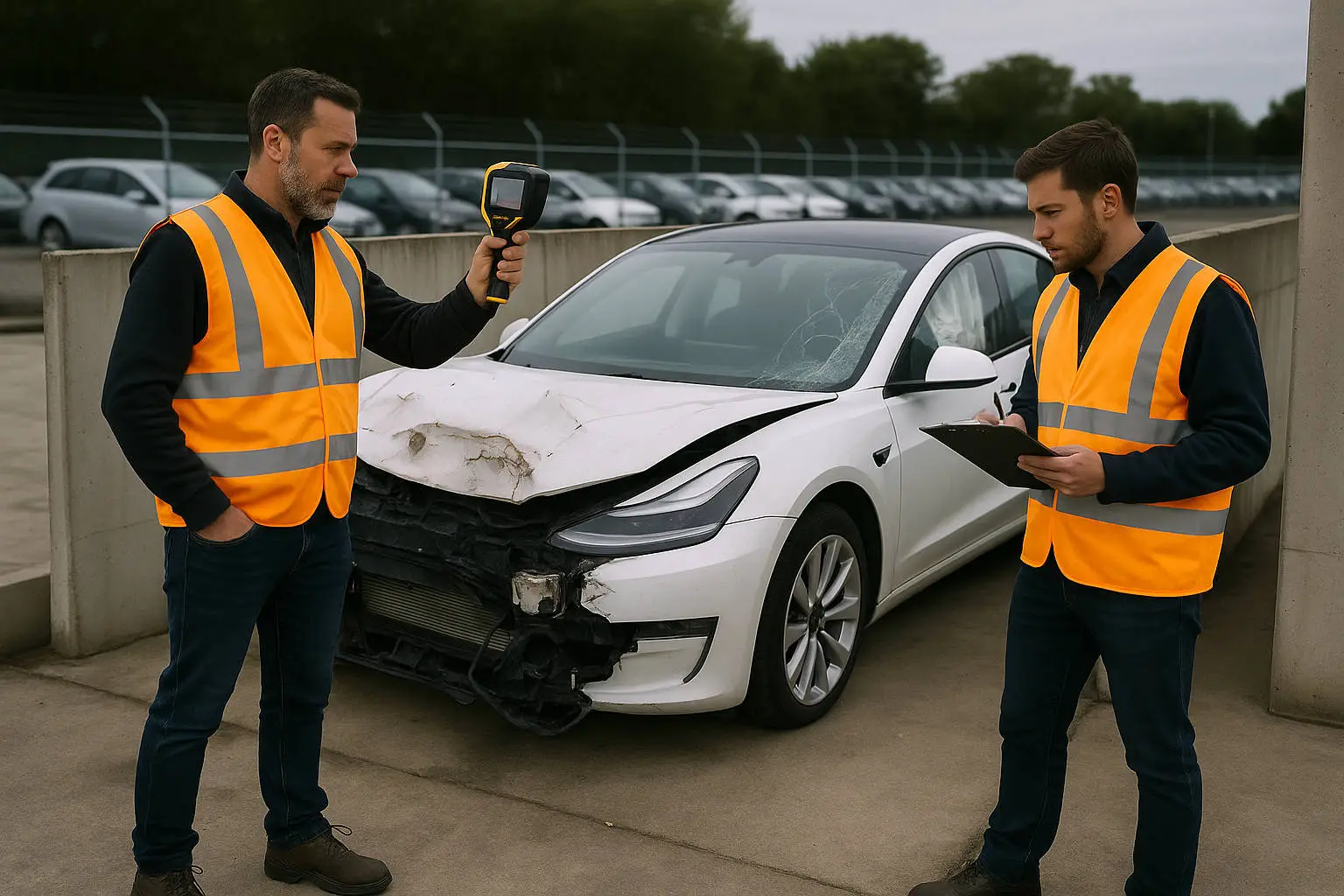
• Inspect for Visible Damage: NEXT • Conduct a thorough visual inspection of the vehicle for signs of damage to high-voltage
cables, connectors, or other electrical components.
• Look for burn marks, exposed wires, or leaking fluids, as these may indicate a heightened
risk of thermal events.
The following best practices should be employed whenever relocating
or processing a high-risk vehicle.
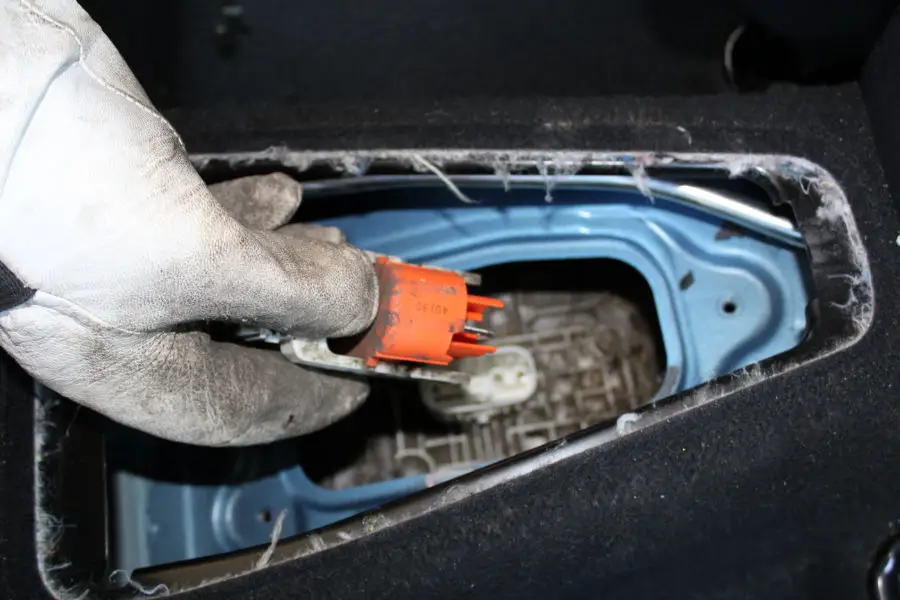
• Disable the High-Voltage Battery: NEXT • For battery electric vehicles (BEVs), plug-in hybrid electric vehicles (PHEVs), or hybrid
electric vehicles (HEVs) involved in an accident, ensure the HV battery disconnect or
interlock is removed to disable the battery.
• This procedure must only be carried out by trained personnel familiar with the vehicle’s
make and model.
The following best practices should be employed whenever relocating
or processing a high-risk vehicle.
• Avoid Towing Without Safety Assessment: NEXT • Do not tow an EV or hybrid unless it has been determined to be safe for transport. • When pushed, rolled, or towed, electric drive motors can generate an electrical charge.
Minimize the distance the vehicle is moved and ensure it is done carefully to avoid
contacting high-voltage components.
The following best practices should be employed whenever relocating
or processing a high-risk vehicle.
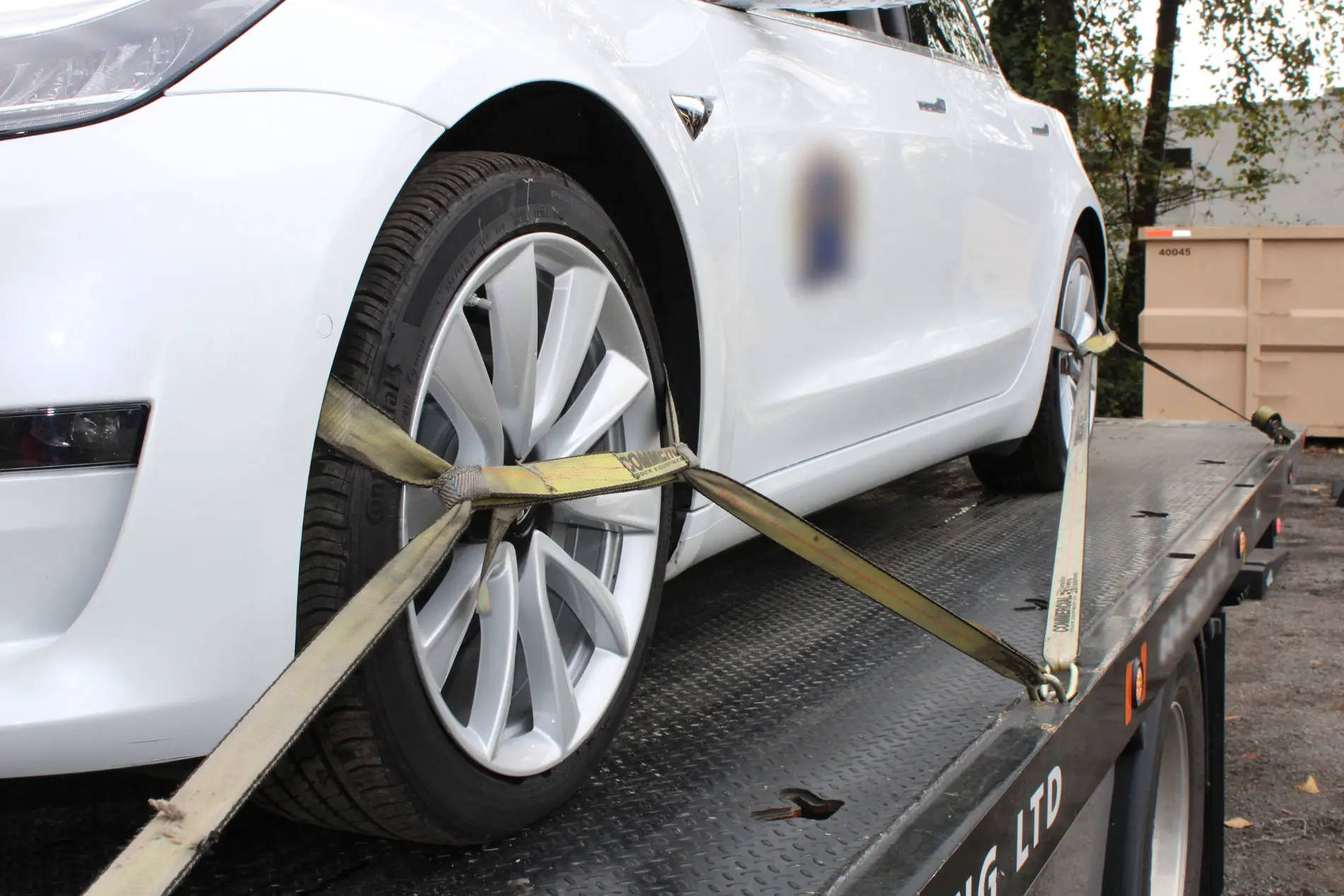
• Secure the Vehicle During Relocation: NEXT • Ensure the vehicle is stabilized and secured on the transport vehicle to prevent shifting
or rolling during transit.
• Use non-conductive straps or equipment to secure the vehicle, avoiding any contact with
high-voltage cables.
The following best practices should be employed whenever relocating
or processing a high-risk vehicle.
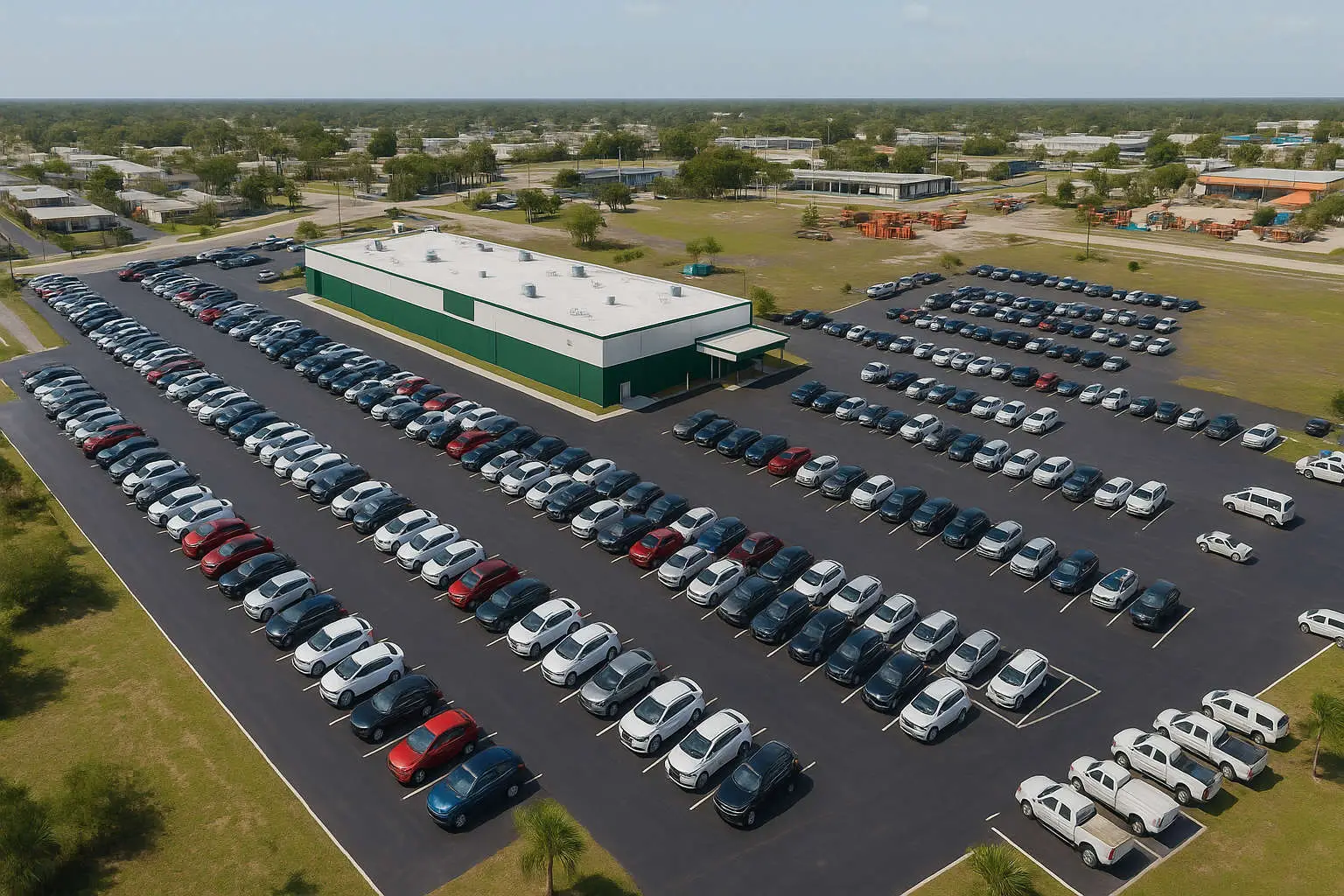
• Follow Facility and Regulatory Protocols: NEXT • Adhere to all facility-specific isolation protocols and any applicable regulatory guidelines. • If relocating to a secondary site, ensure the receiving facility is prepared and equipped
to handle high-risk EVs.
The following best practices should be employed whenever relocating
or processing a high-risk vehicle.
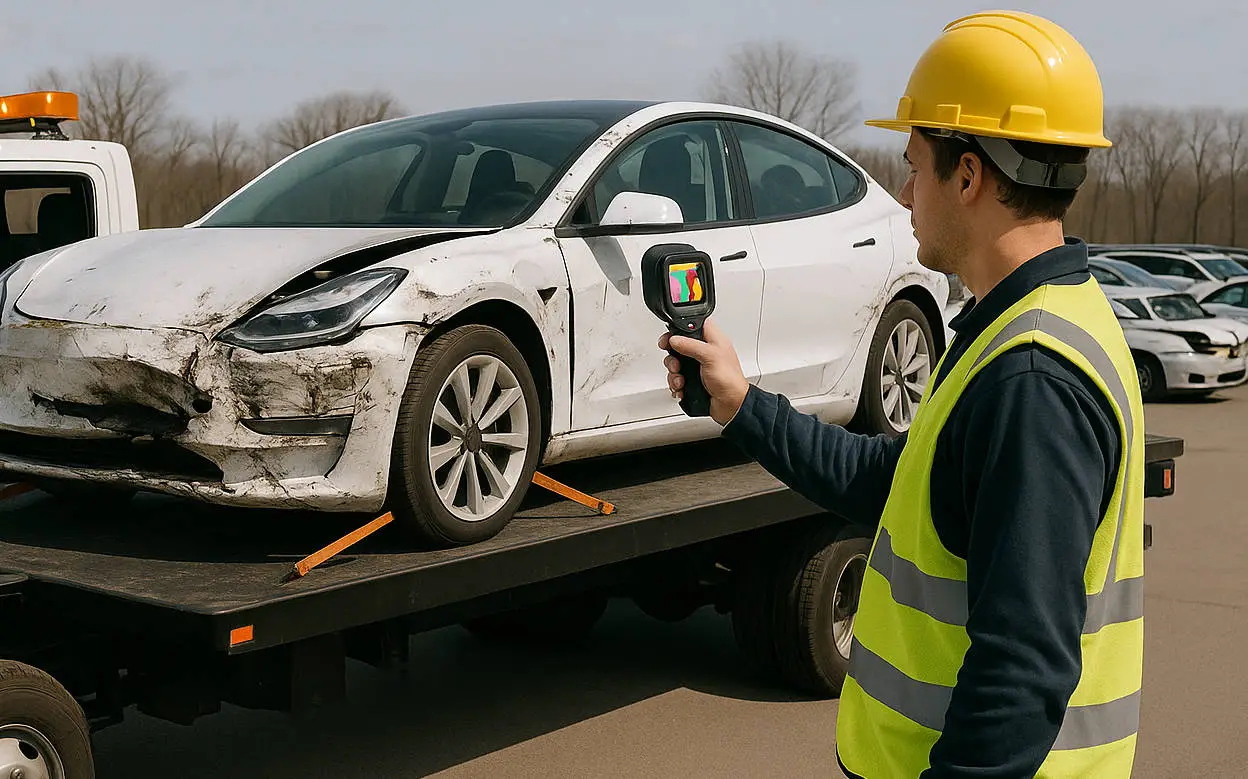
• Continuous Monitoring: • During relocation, monitor the vehicle for any signs of instability, such as smoke, heat,
or unusual sounds.
• Use thermal imaging tools to check for temperature fluctuations before and after the move.